











Latest
Oct
27
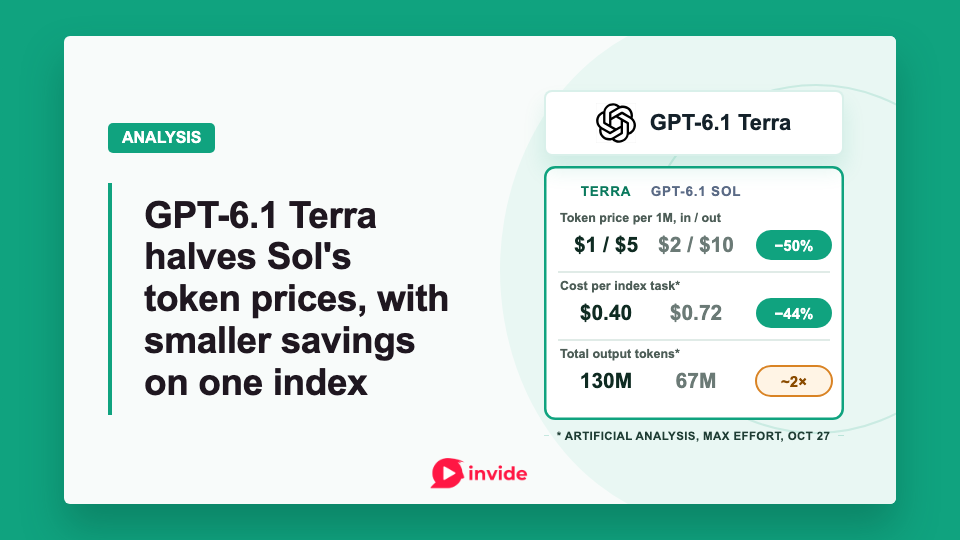
GPT-6.1 Terra halves Sol's token prices, with smaller savings on one index
Terra targets work across documents and apps. Its cost depends on request size and reasoning effort, plus the work needed to check and repair the result.
6 min read
Oct
26
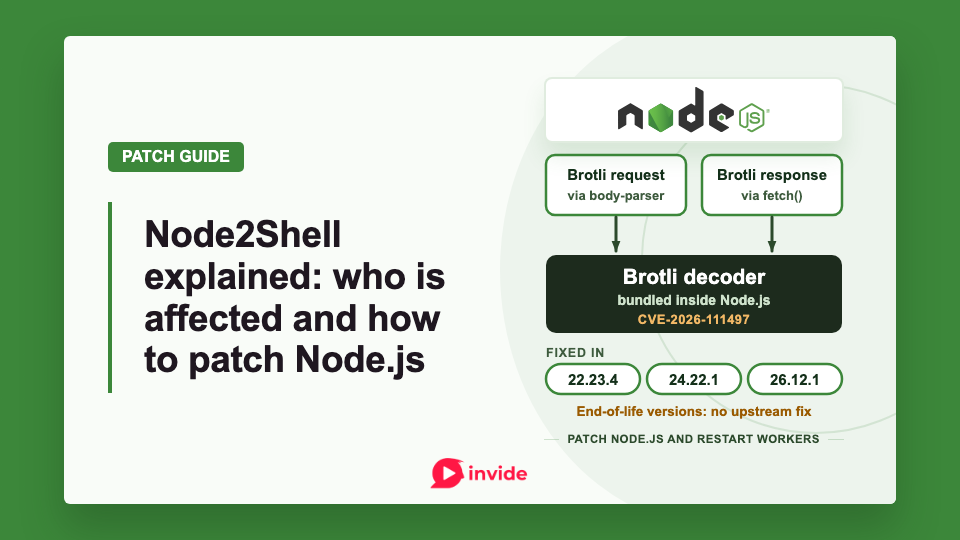
Node2Shell explained: who is affected and how to patch Node.js
Imperva demonstrated code execution on the official Node.js 24.22.0 Linux arm64 image. The flaw is reachable through Express body parsing and through fetched responses that inbound WAF rules do not cover. Updating Express or Next.js alone won't fix the runtime flaw.
10 min read
Oct
22
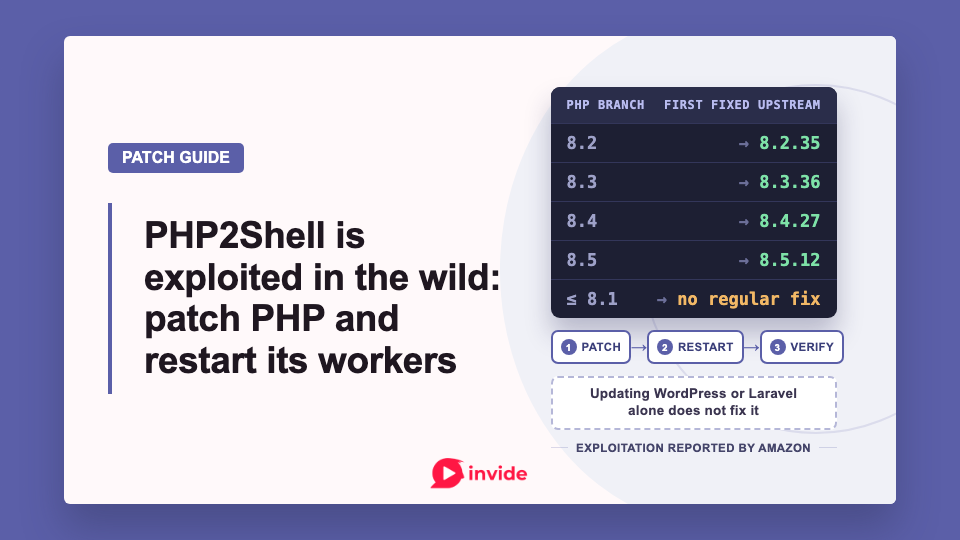
PHP2Shell is exploited in the wild: patch PHP and restart its workers
Unauthenticated requests can execute code through these PHP engine flaws, and Amazon saw attempts days before disclosure. Updating WordPress or Laravel alone cannot fix them.
12 min read
Oct
21
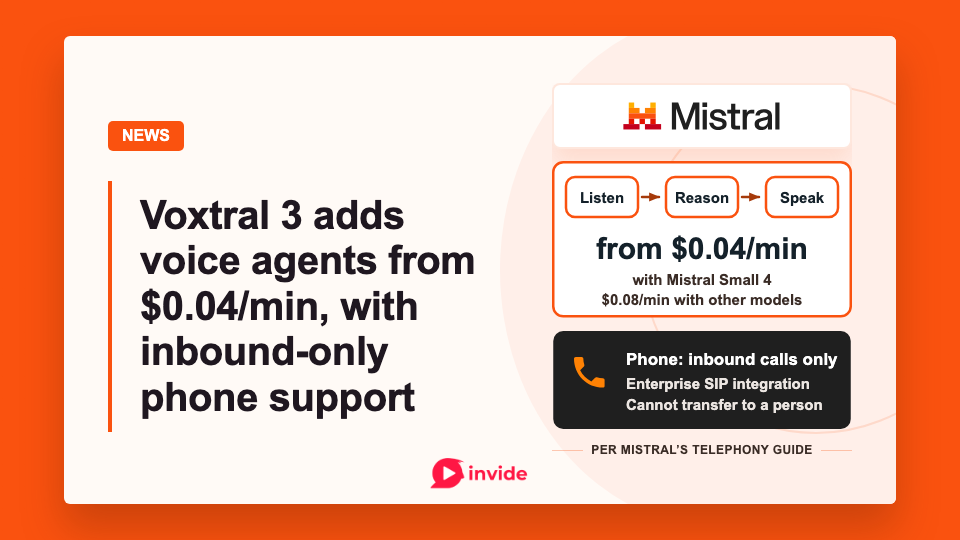
Voxtral 3 adds voice agents from $0.04/min, with inbound-only phone support
Mistral claims sub-second replies. Its own tests show a speed-accuracy tradeoff: transcription errors rise as streaming delays shrink. Voxtral 2 integrations also lose word timestamps.
4 min read
Oct
19
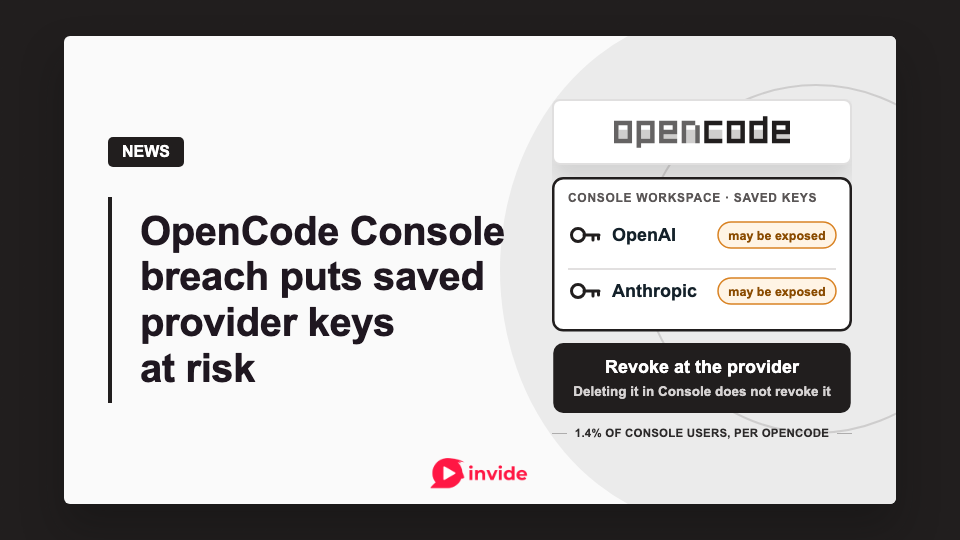
OpenCode Console breach puts saved provider keys at risk
Users report unexpected provider bills, and Dax Raad from OpenCode says refunds are underway. He also reported further attack attempts on October 18. The steps below cover provider key replacement and spending controls while the cause and current containment status remain unclear.
3 min read
Oct
15
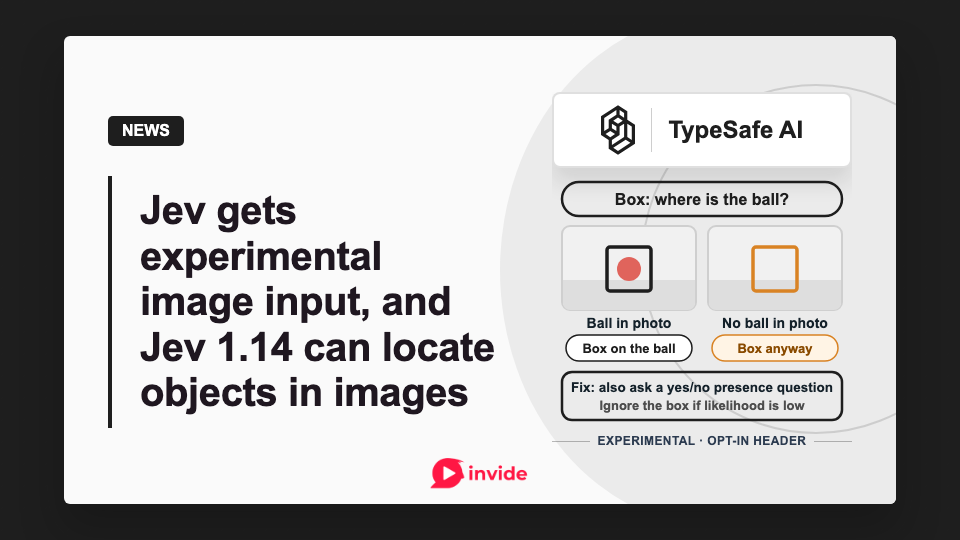
Jev gets experimental image input, and Jev 1.14 can locate objects in images
Ask Jev 1.14 where something is in a photo and it returns a box around it. If the thing isn't in the photo, it still returns a box, so apps should also ask whether it's there.
3 min read
Oct
13
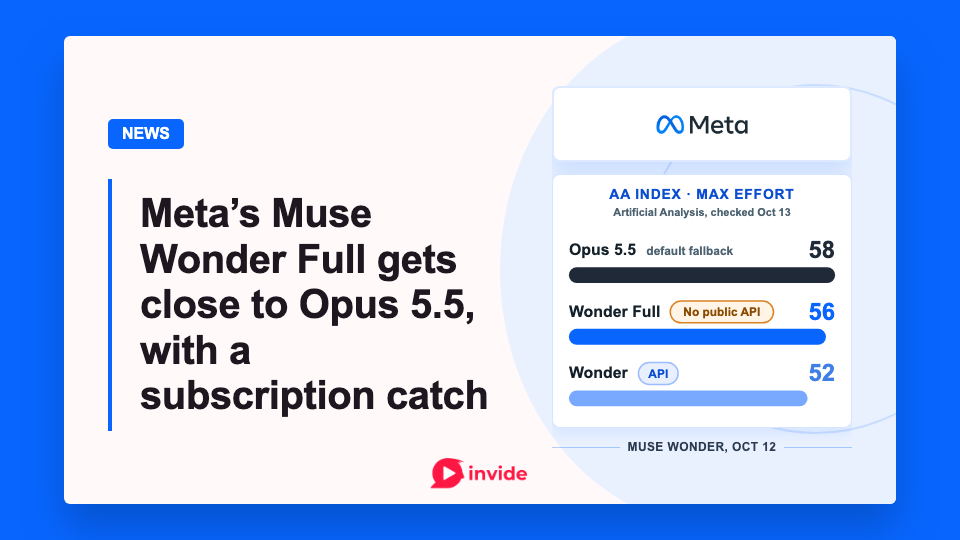
Meta's Muse Wonder Full gets close to Opus 5.5, with a subscription catch
Regular Muse Wonder costs the same $4/$20 per million input/output tokens as Opus 5.5, while scoring six points lower on an independent index. Its measured cost per benchmark task is lower, and Meta says it has fixed unusually fast quota usage on Muse Code.
3 min read
Oct
13
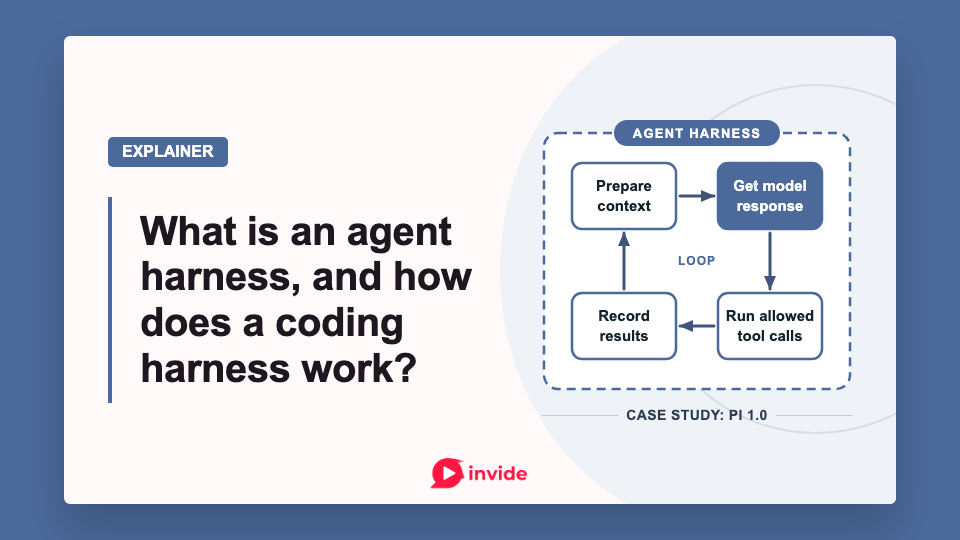
What is an agent harness, and how does a coding harness work?
A runnable experiment with the Pi coding agent fails after completing an action. Running it again repeats the action. We map the execution, control, and context choices behind that result so you can test your own harness.
10 min read
Oct
08
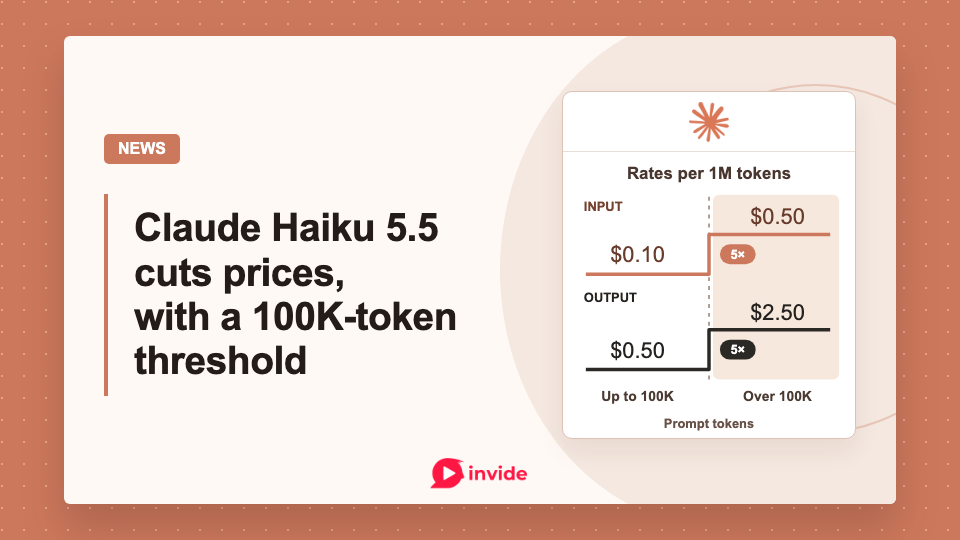
Claude Haiku 5.5 cuts prices, with a 100K-token threshold
Input pricing starts at $0.10 per million tokens. A short answer to a prompt over 100K tokens pays $2.50 per million output tokens. Cache rates also rise fivefold above the threshold.
3 min read
Oct
02
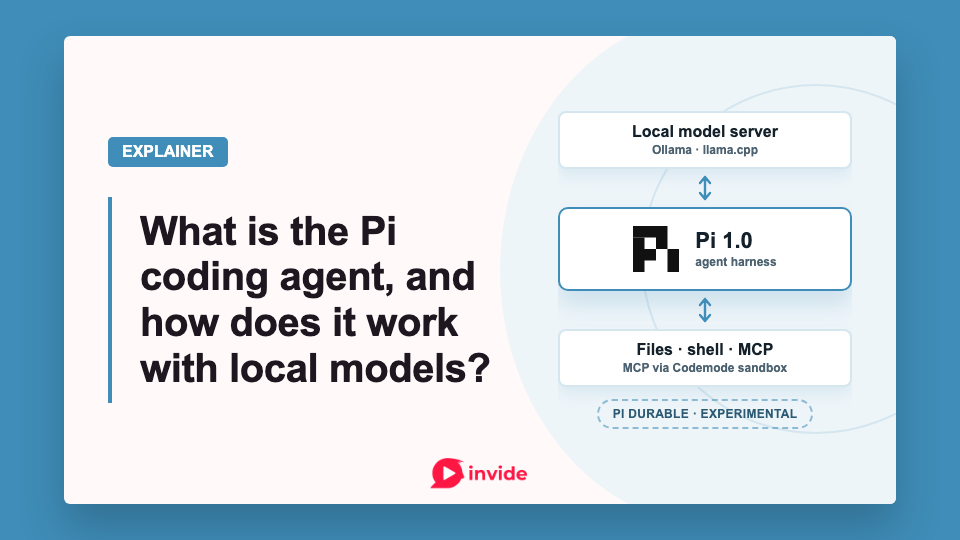
What is the Pi coding agent, and how does it work with local models?
Pi 1.0 shipped on October 1 with built-in MCP support through Codemode, after Earendil publicly rejected MCP. Here's how to run it against Ollama or llama.cpp, which packages you need, and when the experimental Pi Durable framework fits.
8 min read