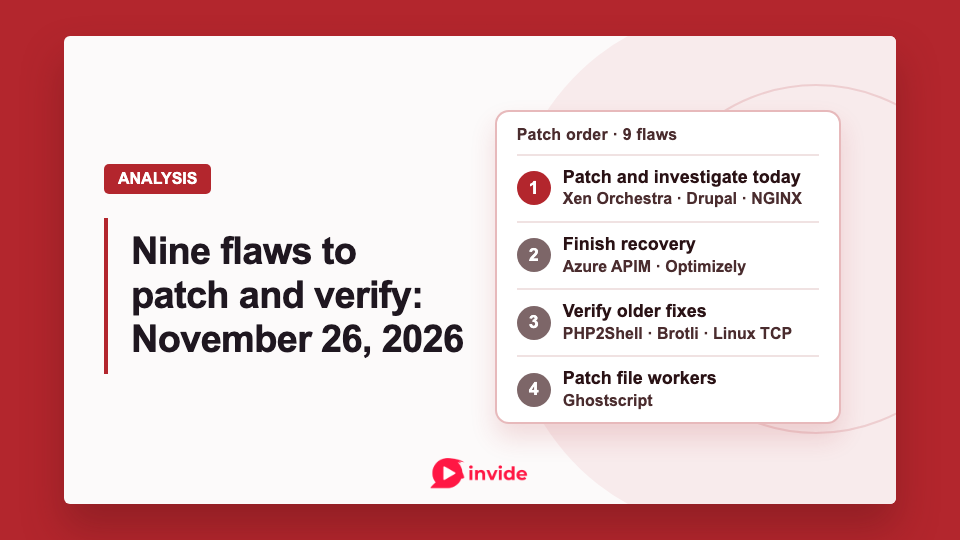
Nine exploited and high-risk flaws to patch and verify as of November 26, 2026
Drupal's November 18 fix left some sites open to takeover, and attackers are already exploiting the gap its November 25 follow-up closes. Start there, then Xen Orchestra and NGINX, and check whether October's PHP and Brotli fixes ever reached production.
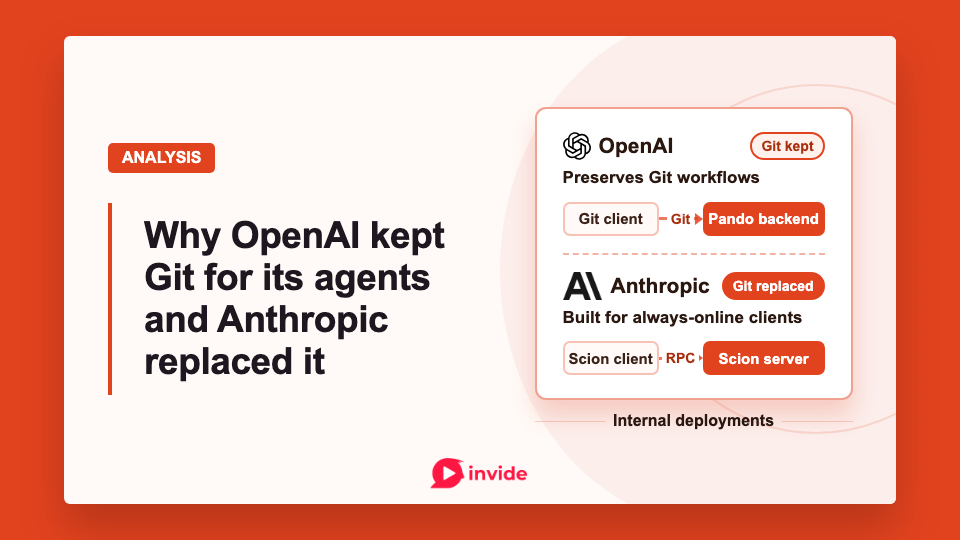
Why OpenAI kept Git for its agents and Anthropic replaced it
OpenAI reports nearly 80% lower median push latency after rebuilding its Git backend. Anthropic reports growing from about 2,500 daily merges in May to over 30,000 in September. We compare those choices with new hosting and review tools, including what to measure before migrating.
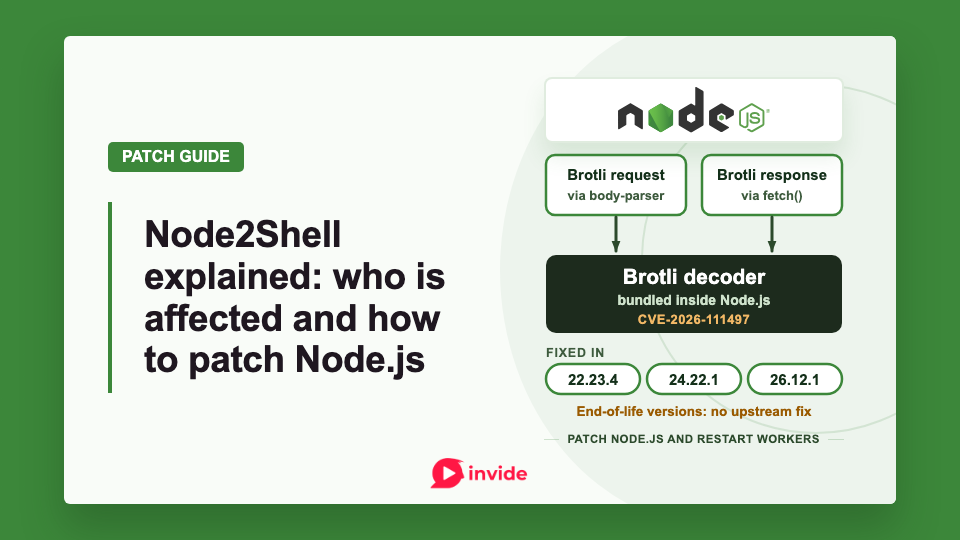
Node2Shell explained: who is affected and how to patch Node.js
Imperva demonstrated code execution on the official Node.js 24.22.0 Linux arm64 image. The flaw is reachable through Express body parsing and through fetched responses that inbound WAF rules do not cover. Updating Express or Next.js alone won't fix the runtime flaw.
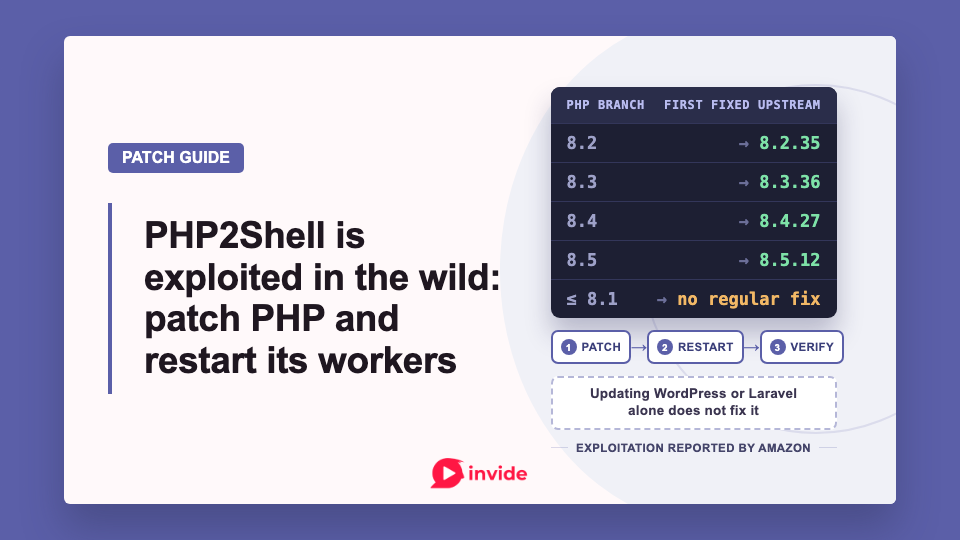
PHP2Shell is exploited in the wild: patch PHP and restart its workers
Unauthenticated requests can execute code through these PHP engine flaws, and Amazon saw attempts days before disclosure. Updating WordPress or Laravel alone cannot fix them.
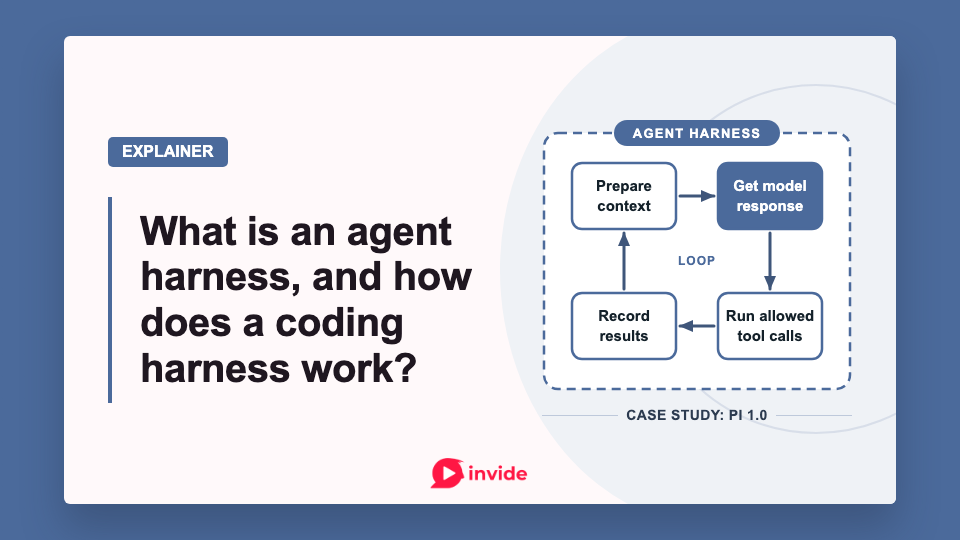
What is an agent harness, and how does a coding harness work?
A runnable experiment with the Pi coding agent fails after completing an action. Running it again repeats the action. We map the execution, control, and context choices behind that result so you can test your own harness.
Shopify is leaving React Native after agents changed its cost model
Shopify rebuilt Shop in 12 weeks, backed by native specialists and strict parity checks. Maintaining two apps remains part of the bet.
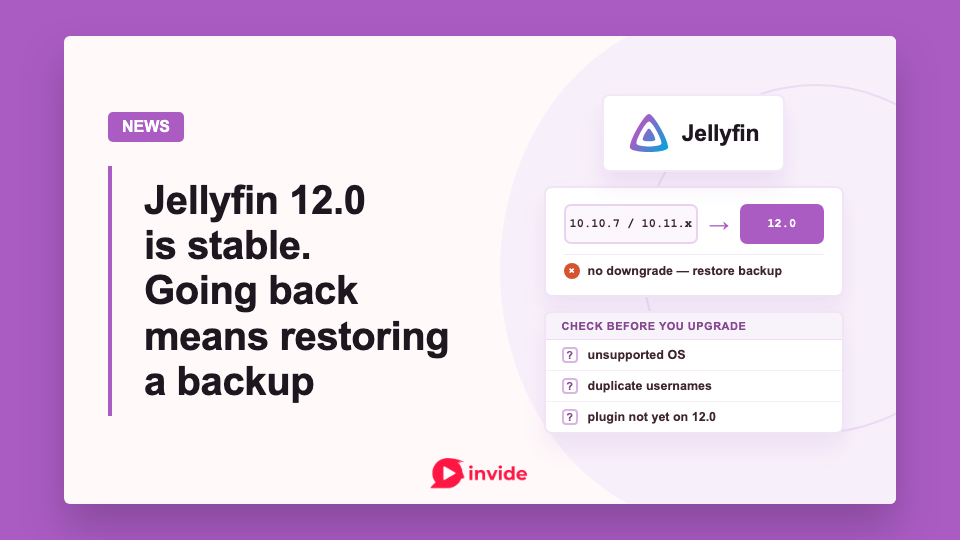
Jellyfin 12.0 is stable. Going back means restoring a backup
The release rewrites data on first boot, requires a full library scan, and leaves third-party plugins waiting for compatible builds from their maintainers.
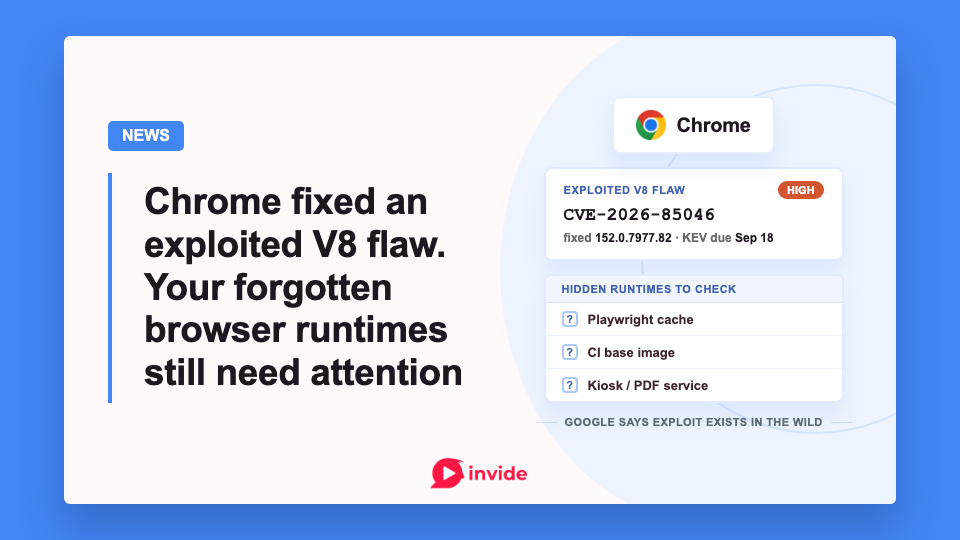
Chrome fixed an exploited V8 flaw. Your forgotten browser runtimes still need attention
CVE-2026-85046 is fixed in Chrome 152.0.7977.82, and CISA wants it patched by September 18. Playwright caches, CI base images, PDF services, and kiosk builds each need their own version check.
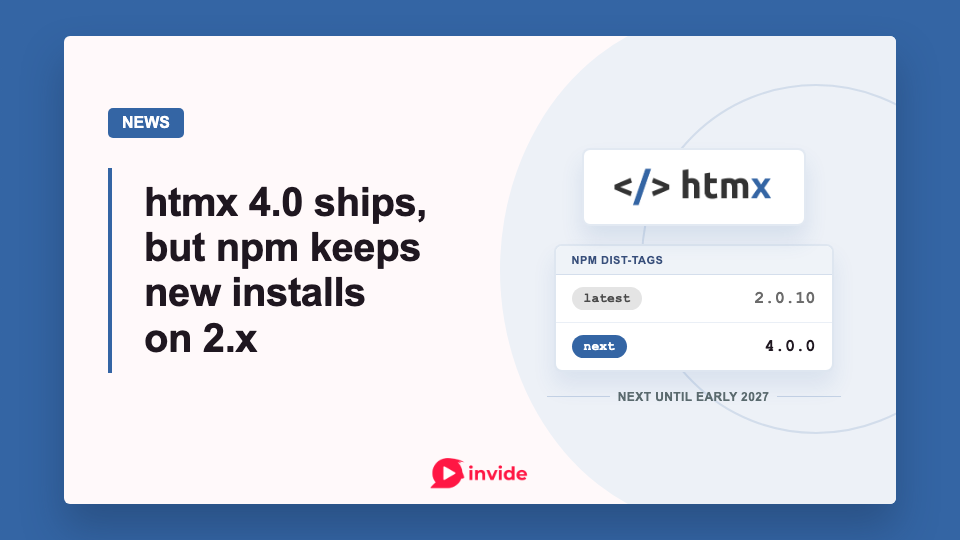
htmx 4.0 ships, but npm is keeping new installs on 2.x
Pinning htmx 4.0 changes what happens to error responses, what hx-disable means, and how long requests wait before timing out.
Every major browser engine is converging on JPEG XL. Keep your fallbacks anyway
Safari already decodes JPEG XL and Firefox targets default support in version 157, but Firefox's SDR-only HDR handling, no Chrome milestone, and near-parity with lossless WebP keep fallbacks necessary.