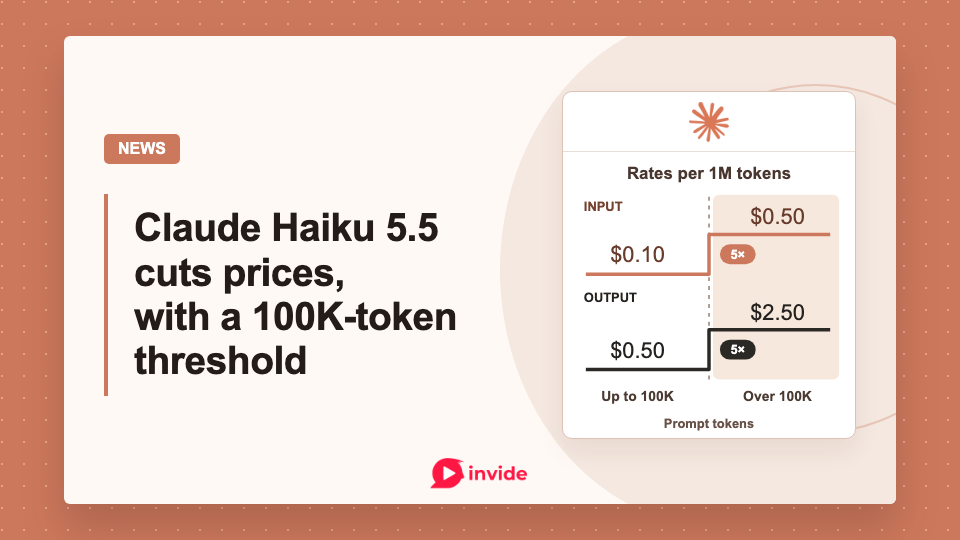
Claude Haiku 5.5 cuts prices, with a 100K-token threshold
Input pricing starts at $0.10 per million tokens. A short answer to a prompt over 100K tokens pays $2.50 per million output tokens. Cache rates also rise fivefold above the threshold.
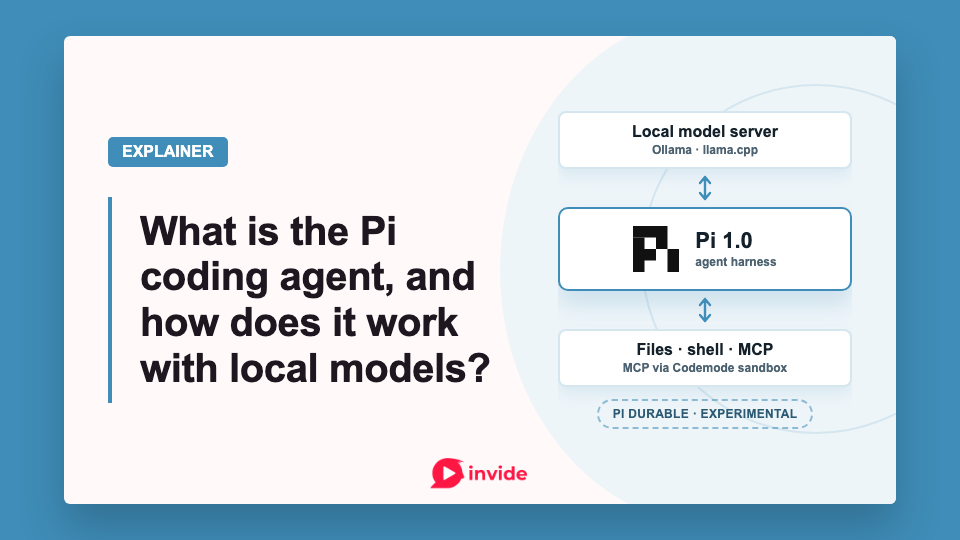
What is the Pi coding agent, and how does it work with local models?
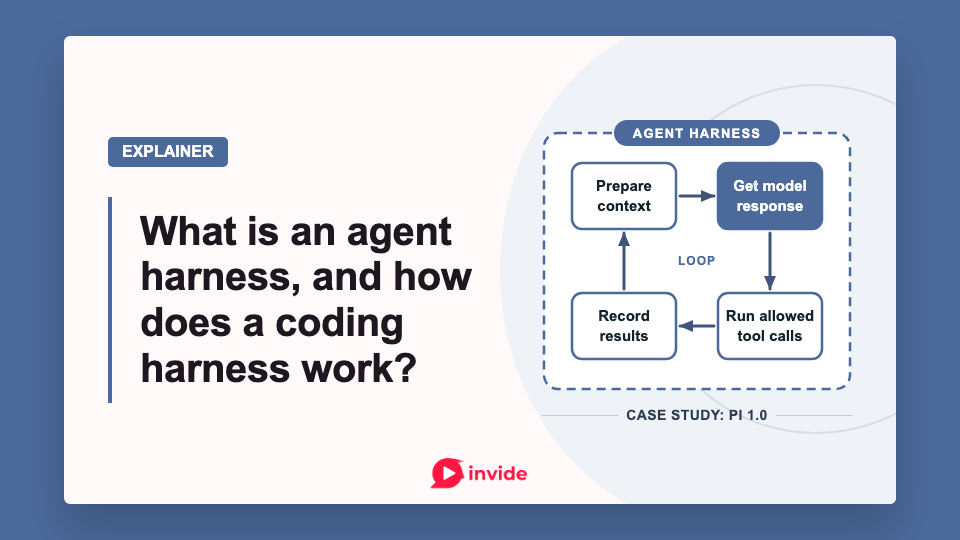
Pi 1.0 shipped on October 1 with built-in MCP support through Codemode, after Earendil publicly rejected MCP. Here's how to run it against Ollama or llama.cpp, which packages you need, and when the experimental Pi Durable framework fits.
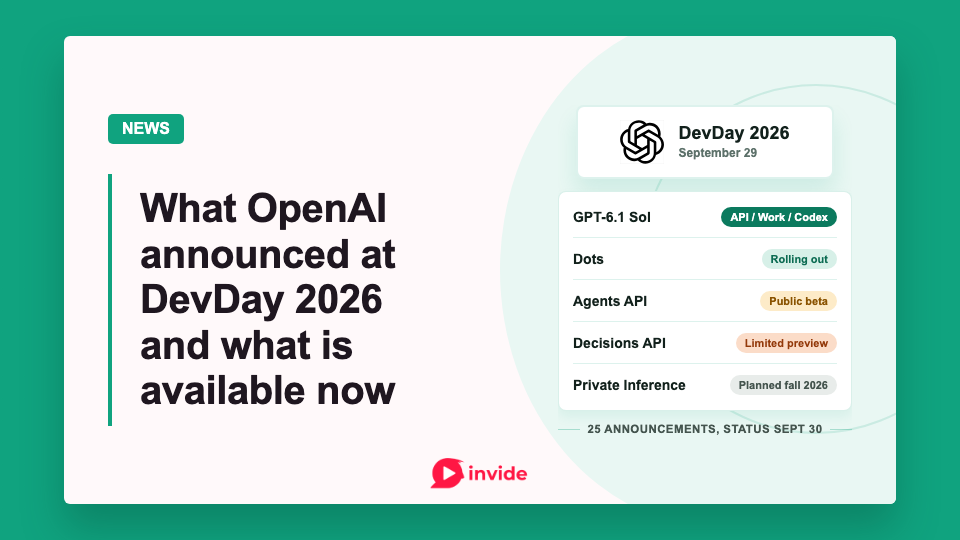
What OpenAI announced at DevDay 2026 and what is available now
OpenAI's tests put GPT-6.1 Sol near Astra on coding and computer use at GPT-6 Sol's prices of $2 per million input tokens and $10 per million output tokens. Dots bring a cloud computer to eligible Pro and Business Premium users, while Agents API computer use is in public beta.
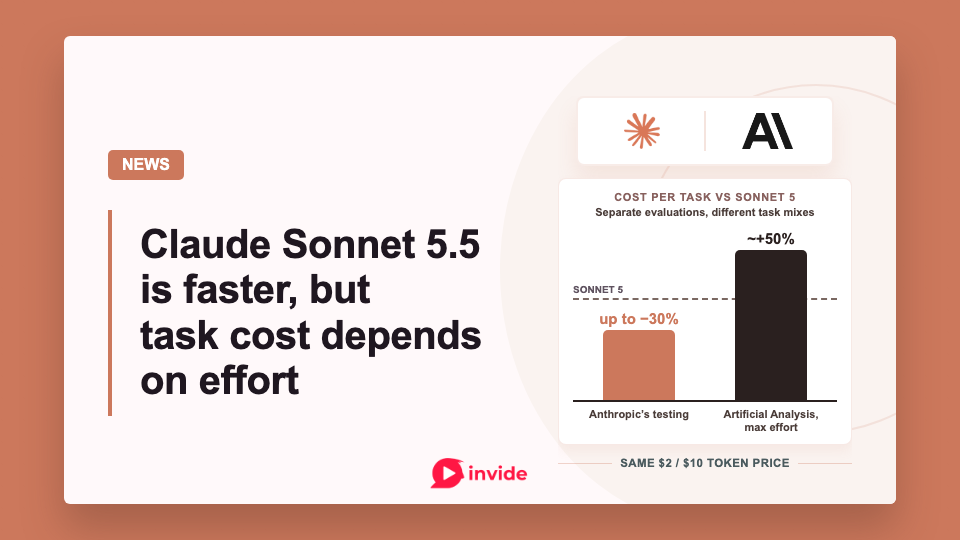
Claude Sonnet 5.5 is faster, but task cost depends on effort
Anthropic claims up to 30% lower cost per task. Artificial Analysis measured $7.60 per task at max effort, about 50% above Sonnet 5. Two request settings that worked with Sonnet 5 now return 400 errors.
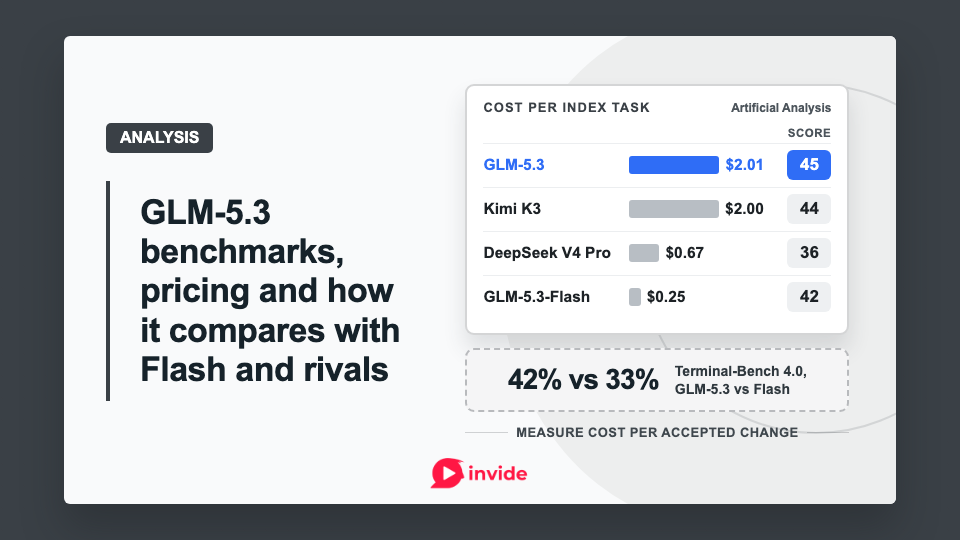
GLM-5.3 benchmarks, pricing and how it compares with Flash and rivals
GLM-5.3 keeps GLM-5.2's list price and matches Kimi K3's cost per Artificial Analysis index task. DeepSeek V4 Pro costs a third as much on the same index. Existing users must update requests that disable thinking.
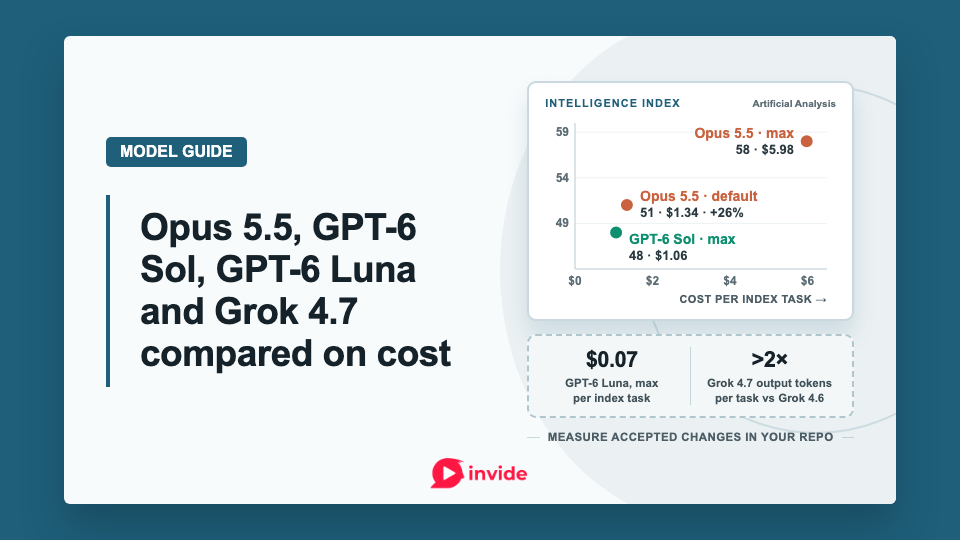
Opus 5.5, GPT-6 Sol, GPT-6 Luna and Grok 4.7 compared on cost
Opus 5.5's lower rates left max-effort task cost roughly level with Opus 5 in one independent test. Sol and Luna roughly halved their cost per task, while Grok 4.7 used more than twice the output tokens at unchanged rates.
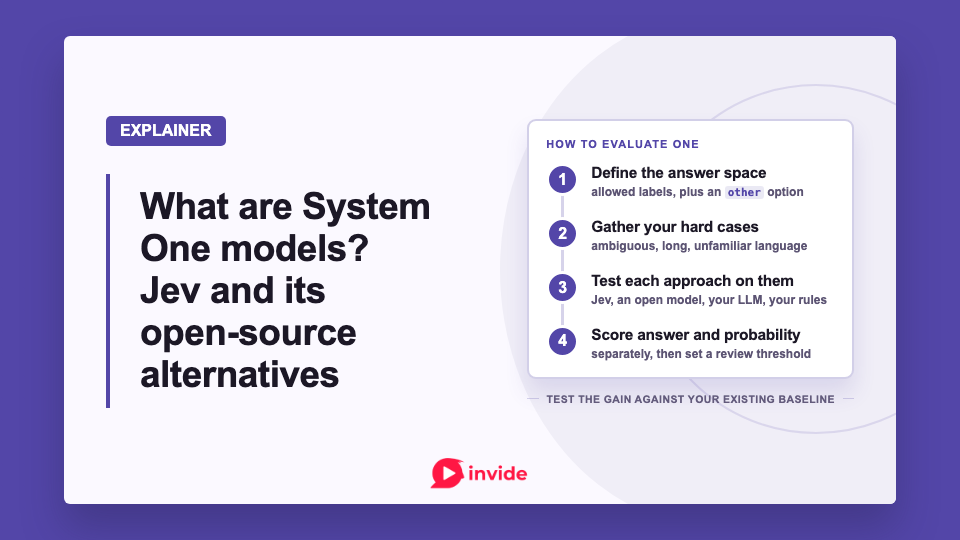
What are System One models? Jev and its open-source alternatives
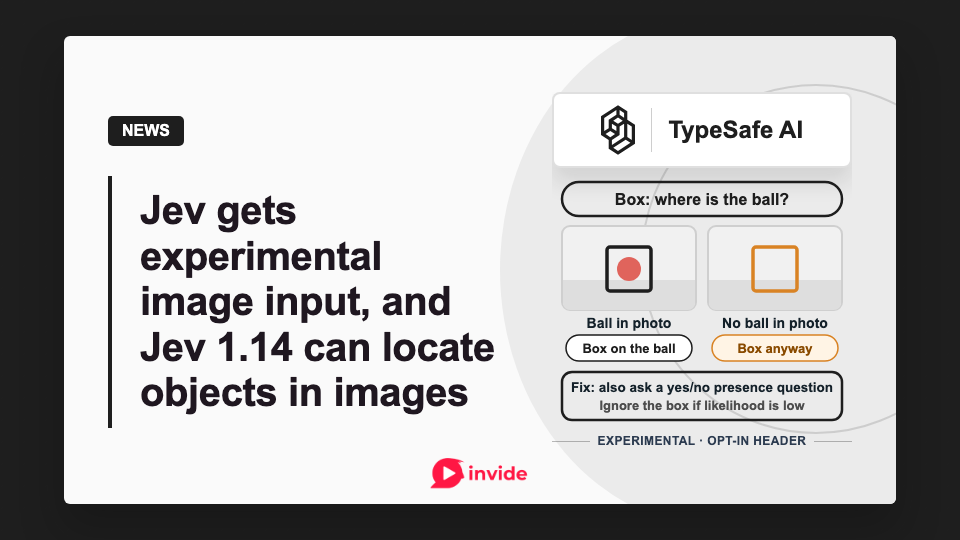
TypeSafe's Jev returns typed answers and probabilities instead of text. Laya, Nimble, Kev and OpenThai now offer open versions of the same idea. This guide covers how they work, their limits and test results, and when a plain classifier is the simpler option.