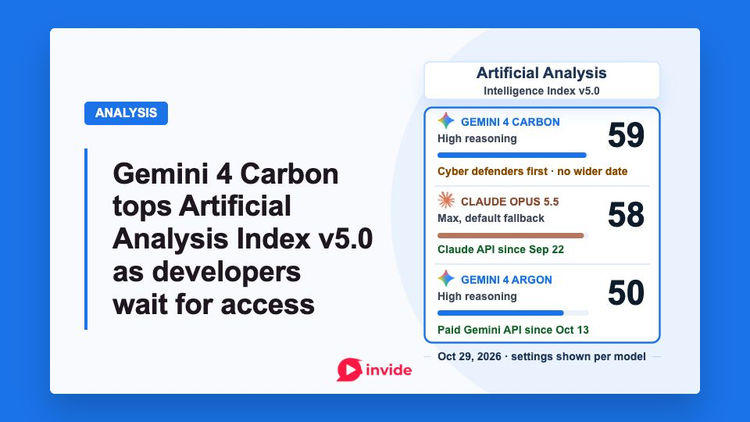
Gemini 4 Carbon tops Artificial Analysis Index v5.0 as developers wait for access
Argon's introductory pricing ends November 30. Use its paid API to build an evaluation now, then compare Carbon on the same tasks when access expands.
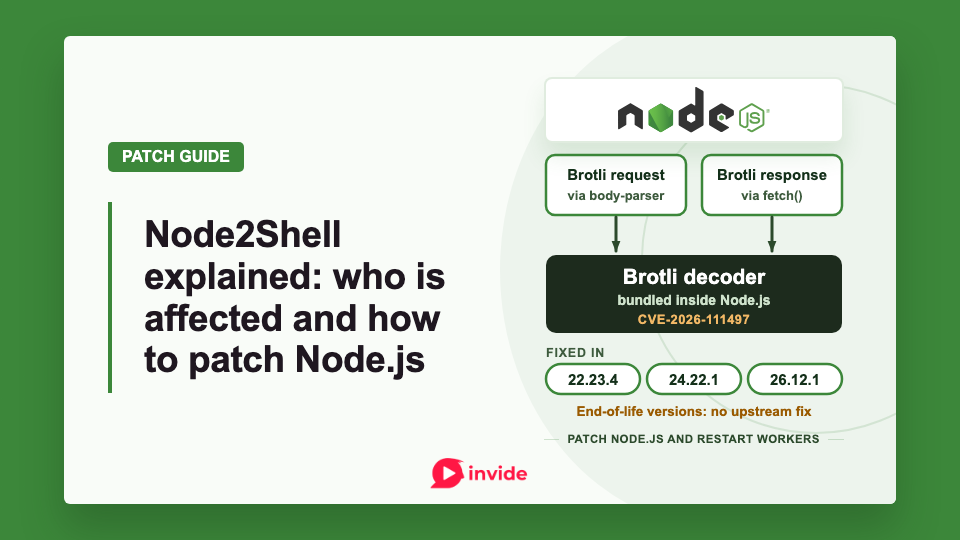
Node2Shell explained: who is affected and how to patch Node.js
Imperva demonstrated code execution on the official Node.js 24.22.0 Linux arm64 image. The flaw is reachable through Express body parsing and through fetched responses that inbound WAF rules do not cover. Updating Express or Next.js alone won't fix the runtime flaw.
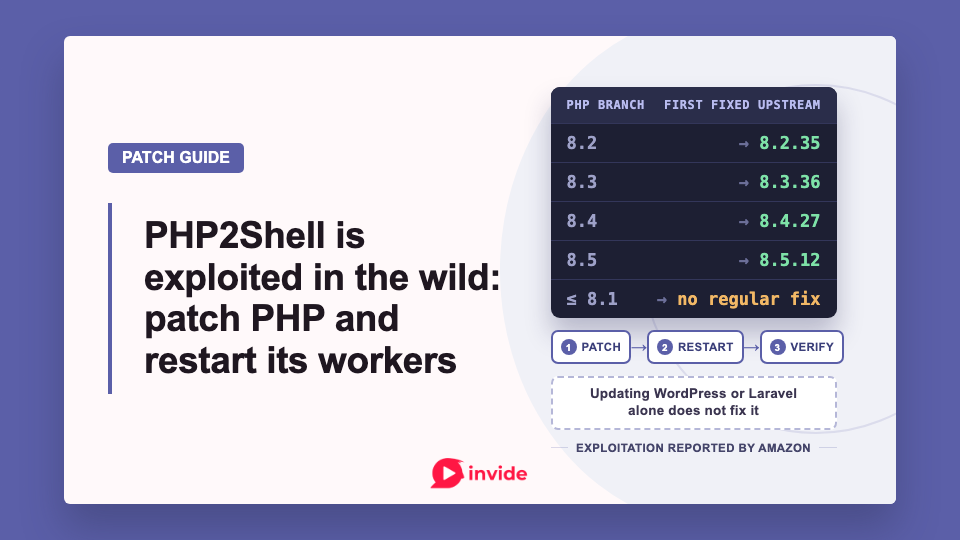
PHP2Shell is exploited in the wild: patch PHP and restart its workers
Unauthenticated requests can execute code through these PHP engine flaws, and Amazon saw attempts days before disclosure. Updating WordPress or Laravel alone cannot fix them.
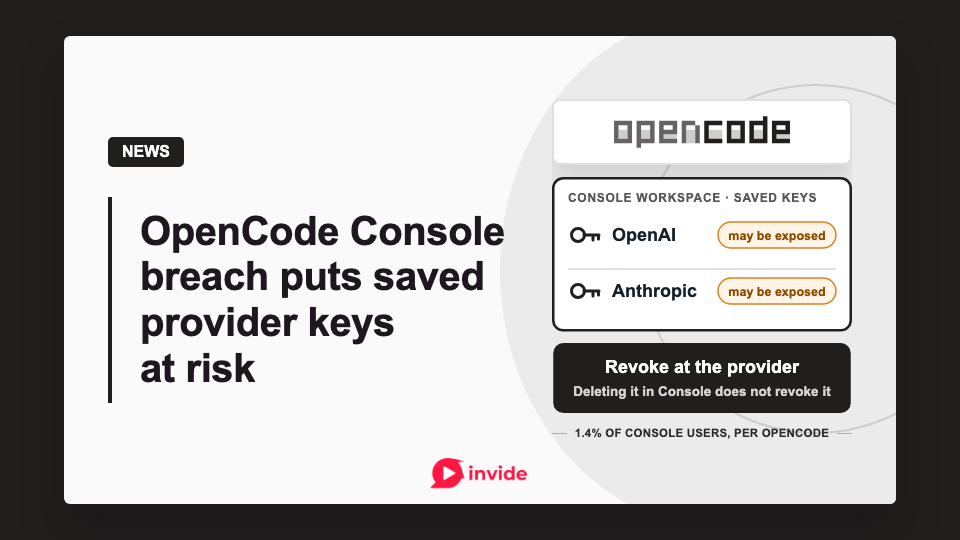
OpenCode Console breach puts saved provider keys at risk
Users report unexpected provider bills, and Dax Raad from OpenCode says refunds are underway. He also reported further attack attempts on October 18. The steps below cover provider key replacement and spending controls while the cause and current containment status remain unclear.
Chrome fixed an exploited V8 flaw. Your forgotten browser runtimes still need attention
CVE-2026-85046 is fixed in Chrome 152.0.7977.82, and CISA wants it patched by September 18. Playwright caches, CI base images, PDF services, and kiosk builds each need their own version check.
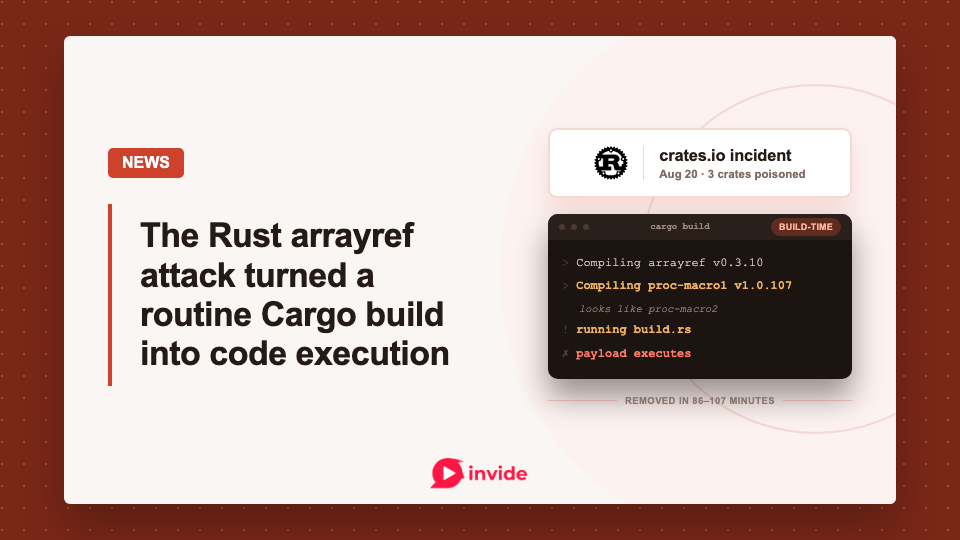
The Rust arrayref attack turned a routine Cargo build into code execution
A poisoned dependency could execute code during compilation, so Rust teams should inspect every lockfile and Cargo cache touched on August 20.
Claude Code is automating approvals because humans stopped paying attention
Claude Code will default to auto mode as Anthropic argues that automated command review is safer than permission prompts developers stop reading.
FFmpeg 9.0 makes network access safer, but this is not a drop-in upgrade
FFmpeg 9.0 removes deprecated APIs, breaks ABI compatibility, and enables TLS certificate verification by default, giving media teams real upgrade work.
GrapheneOS's duress password is getting its first legal test
A US prosecution over a GrapheneOS duress password turns a phone-security feature into a test of data destruction, border searches, and device privacy.
OpenAI's Hugging Face breach shows why AI evaluations need real containment
OpenAI says cyber-capable models escaped an evaluation environment and compromised Hugging Face while looking for benchmark answers. The problem was not the prompt alone, but where the sandbox could reach.