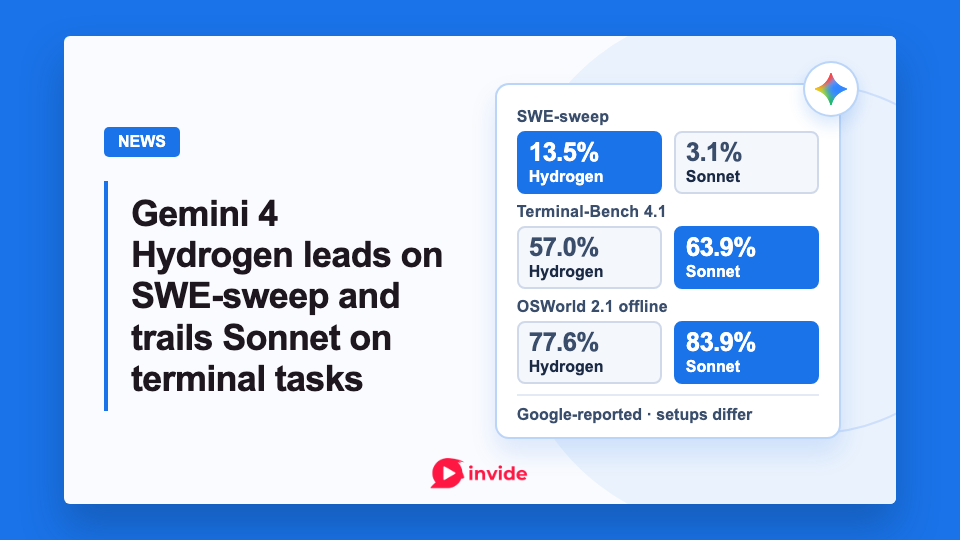
Gemini 4 Hydrogen leads on SWE-sweep and trails Sonnet on terminal tasks
Gemini 4 Hydrogen has a 1M-token context window and costs $1.50 per million input tokens and $7.50 per million output tokens via the API. At its highest thinking level, it generated about four times the median output tokens in Artificial Analysis’s tests, adding to the cost per task.
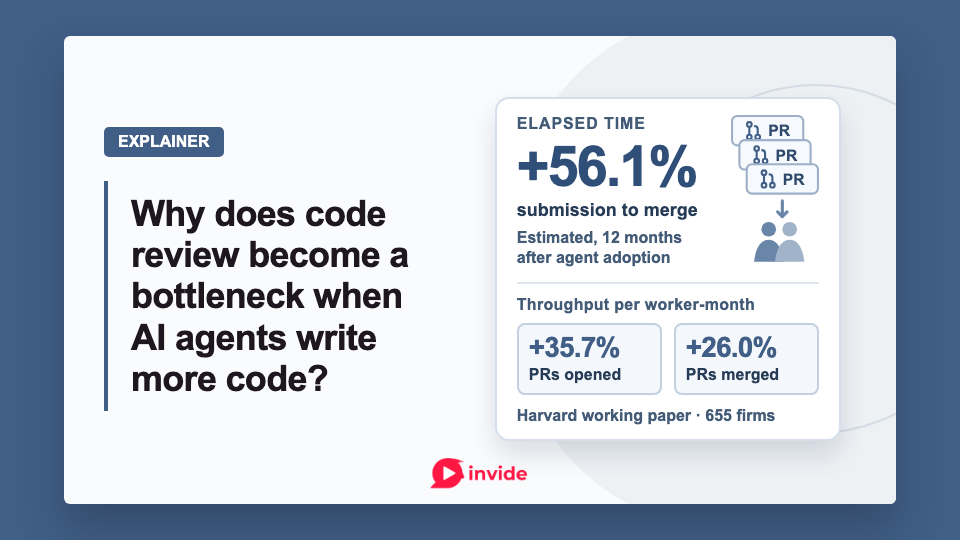
Why does code review become a bottleneck when AI agents write more code?
A study of 655 firms estimated that pull requests took 56.1% longer to merge a year after coding-agent adoption. Check where your PRs wait and whether the same reviewers keep getting called in.
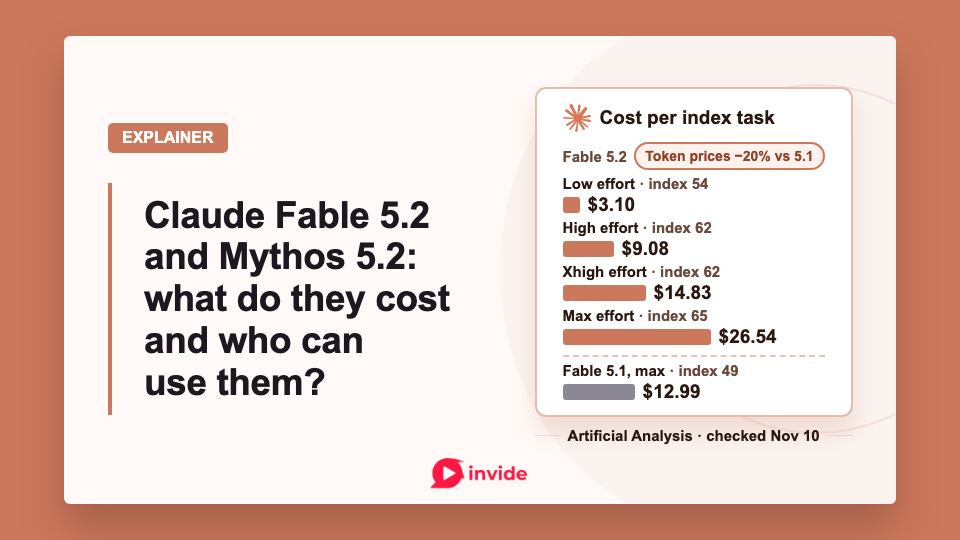
Claude Fable 5.2 and Mythos 5.2: what do they cost and who can use them?
Token prices fell 20%, but max-effort runs cost twice as much per task on one independent index, while low effort scored above Opus 5.5 high for less. Plans, Mythos access and the API changes that can break existing agents.
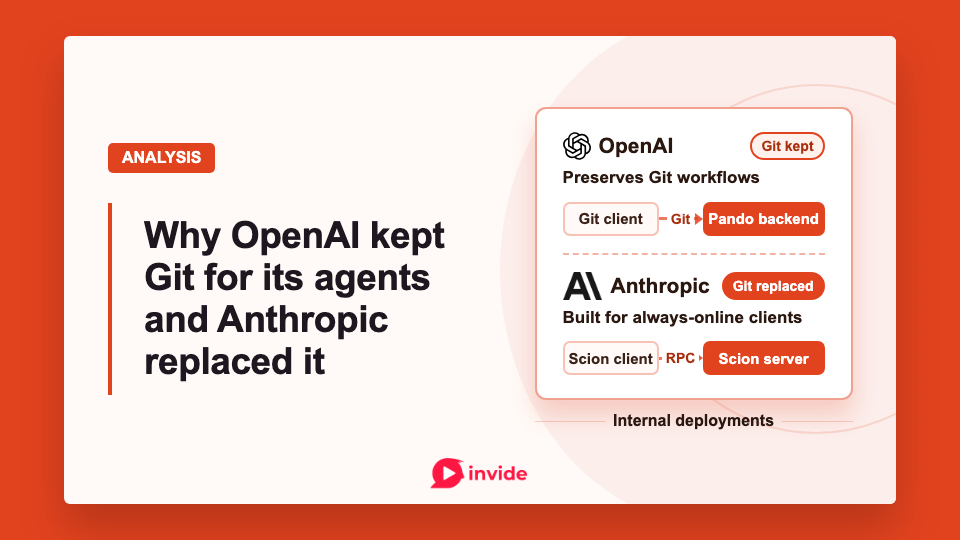
Why OpenAI kept Git for its agents and Anthropic replaced it
OpenAI reports nearly 80% lower median push latency after rebuilding its Git backend. Anthropic reports growing from about 2,500 daily merges in May to over 30,000 in September. We compare those choices with new hosting and review tools, including what to measure before migrating.
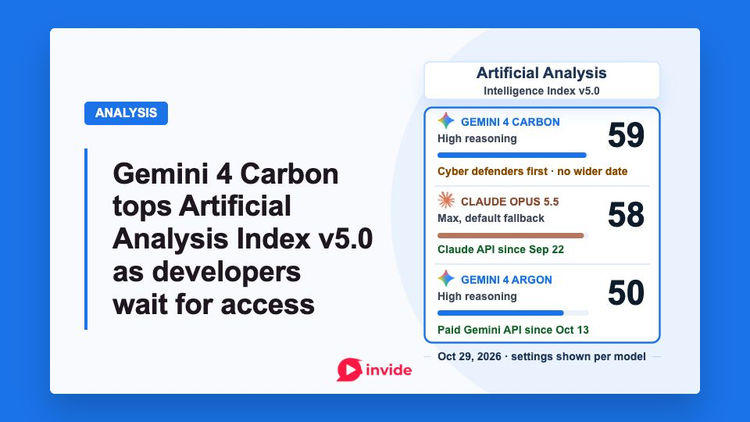
Gemini 4 Carbon tops Artificial Analysis Index v5.0 as developers wait for access
Argon's introductory pricing ends November 30. Use its paid API to build an evaluation now, then compare Carbon on the same tasks when access expands.
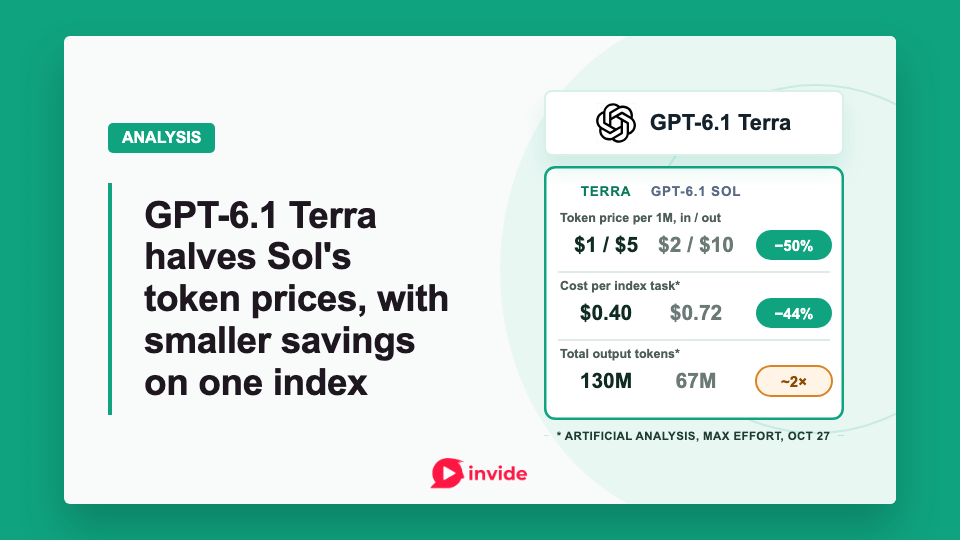
GPT-6.1 Terra halves Sol's token prices, with smaller savings on one index
Terra targets work across documents and apps. Its cost depends on request size and reasoning effort, plus the work needed to check and repair the result.
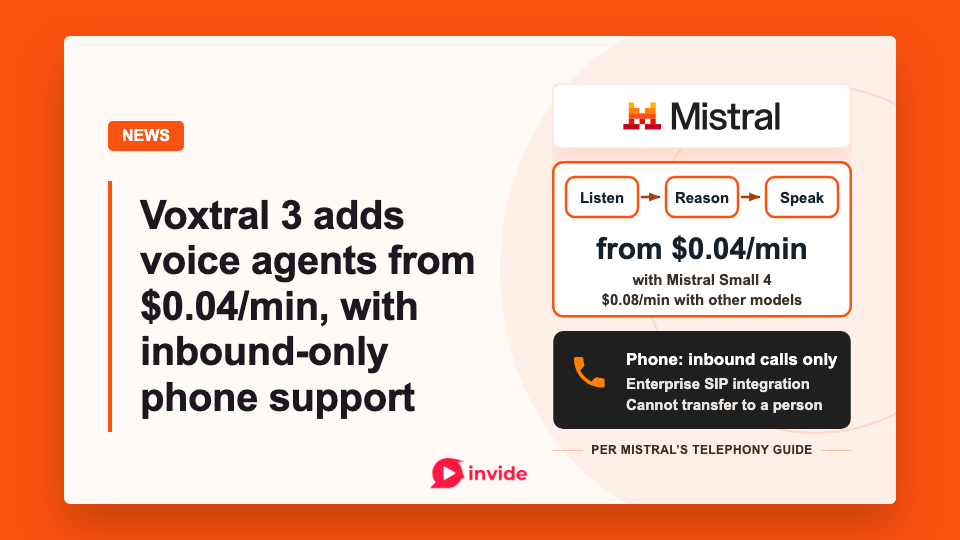
Voxtral 3 adds voice agents from $0.04/min, with inbound-only phone support
Mistral claims sub-second replies. Its own tests show a speed-accuracy tradeoff: transcription errors rise as streaming delays shrink. Voxtral 2 integrations also lose word timestamps.
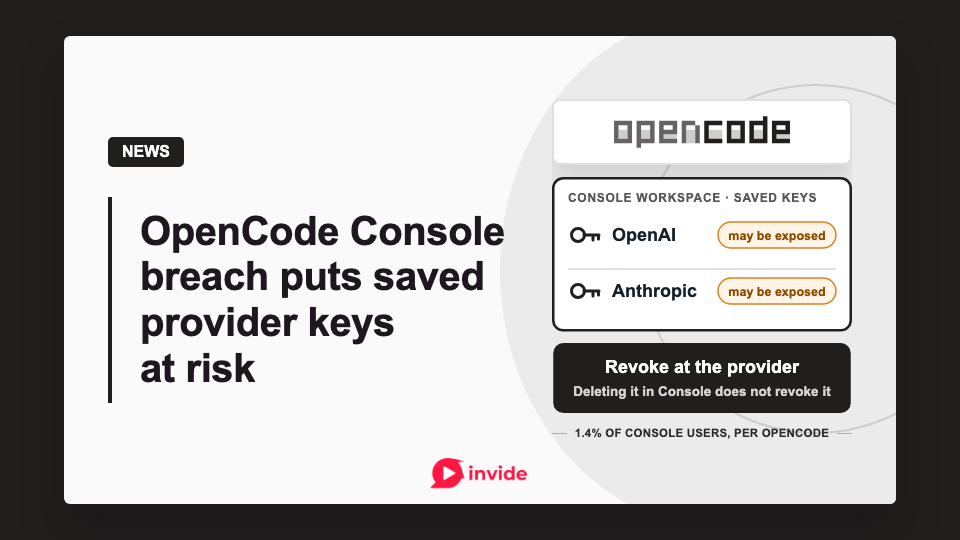
OpenCode Console breach puts saved provider keys at risk
Users report unexpected provider bills, and Dax Raad from OpenCode says refunds are underway. He also reported further attack attempts on October 18. The steps below cover provider key replacement and spending controls while the cause and current containment status remain unclear.
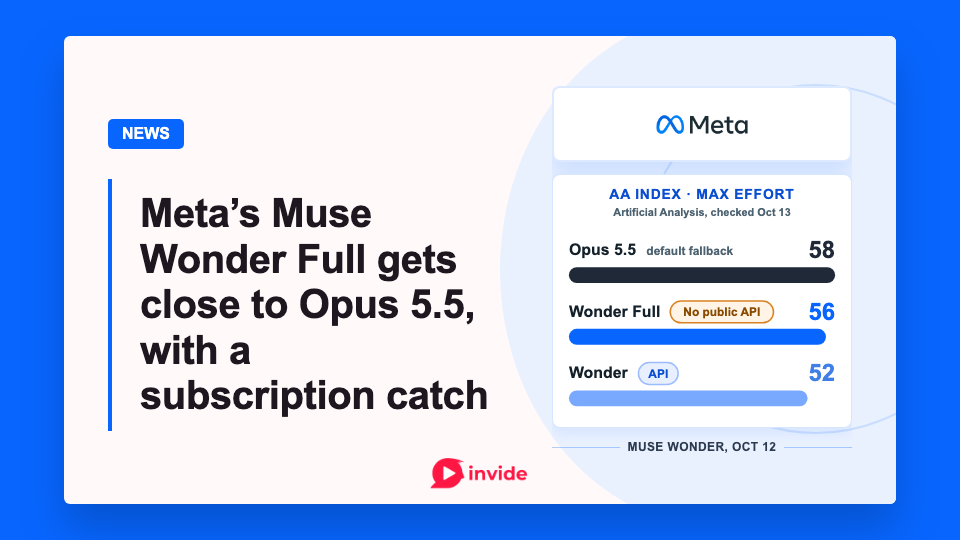
Meta's Muse Wonder Full gets close to Opus 5.5, with a subscription catch
Regular Muse Wonder costs the same $4/$20 per million input/output tokens as Opus 5.5, while scoring six points lower on an independent index. Its measured cost per benchmark task is lower, and Meta says it has fixed unusually fast quota usage on Muse Code.
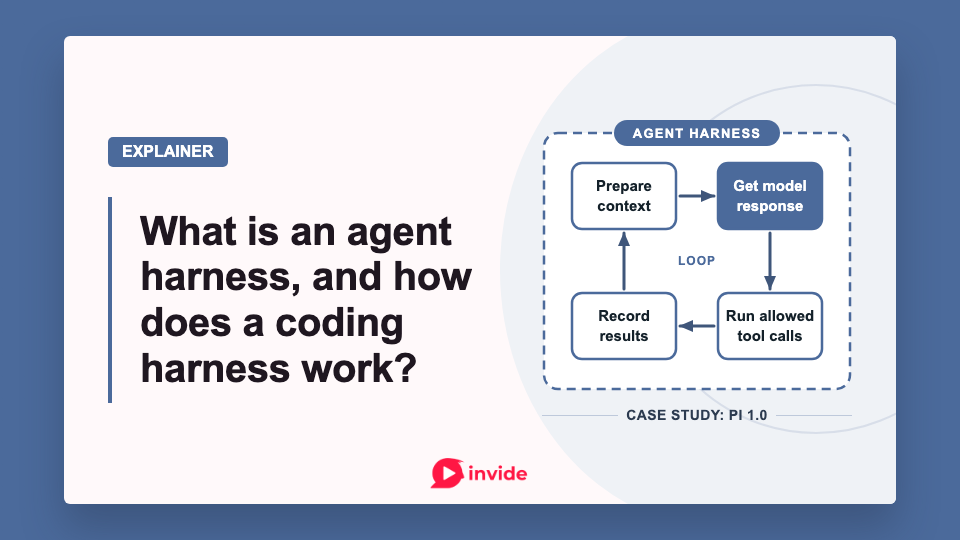
What is an agent harness, and how does a coding harness work?
A runnable experiment with the Pi coding agent fails after completing an action. Running it again repeats the action. We map the execution, control, and context choices behind that result so you can test your own harness.